
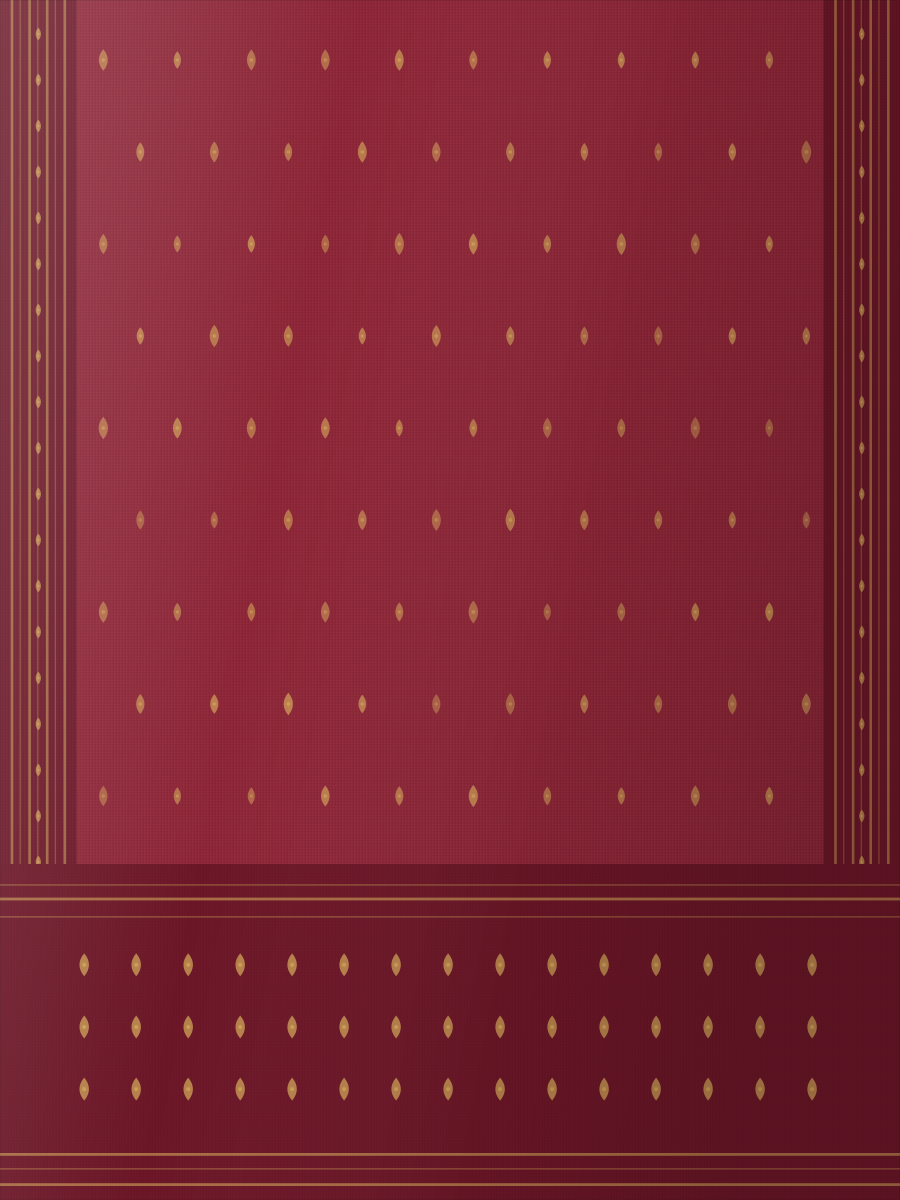
Aishvika
The saree, understood.
We carry fewer sarees than most houses, and tell you a great deal more about each one. Fabric, weave, weight in the hand, the district it was woven in — stated plainly, including the things a seller would rather not mention.
Katan silk
Uttar Pradesh
780 g
Handloom
A point of view
A saree is not bought. It is chosen.
Most of what goes wrong when a woman buys a saree online has nothing to do with taste. She knows what she likes. What she cannot do through a screen is feel the weight of the silk, judge how the pleats will sit four hours in, or tell a handloom from a well-photographed copy of one. So she guesses. And a guess, at twenty thousand rupees, is an expensive thing to be wrong about.
Aishvika exists to take the guesswork out. We describe every saree the way a good shopkeeper would if she had the whole afternoon and nothing in particular to push: what it is made of, where it was woven, what it weighs, how it moves when you walk.
We name techniques correctly. A print is called a print. An embroidery is not called a weave. Where a piece carries no certification, we say so on the page rather than leaving the silence to flatter us.
Begin with the question,
not the category.
Categories assume you already know the answer. Four questions usually get closer, faster.
A wedding, a working Tuesday, a first Diwali as someone's daughter-in-law.
Feather-light and forgettable, or heavy enough to feel like an occasion.
Say it plainly. We will not show you things designed to make you stretch.
Coastal humidity at noon is a different garment from a banquet hall at nine.
Dressed for something
in particular.






4 pieces, most recently added.
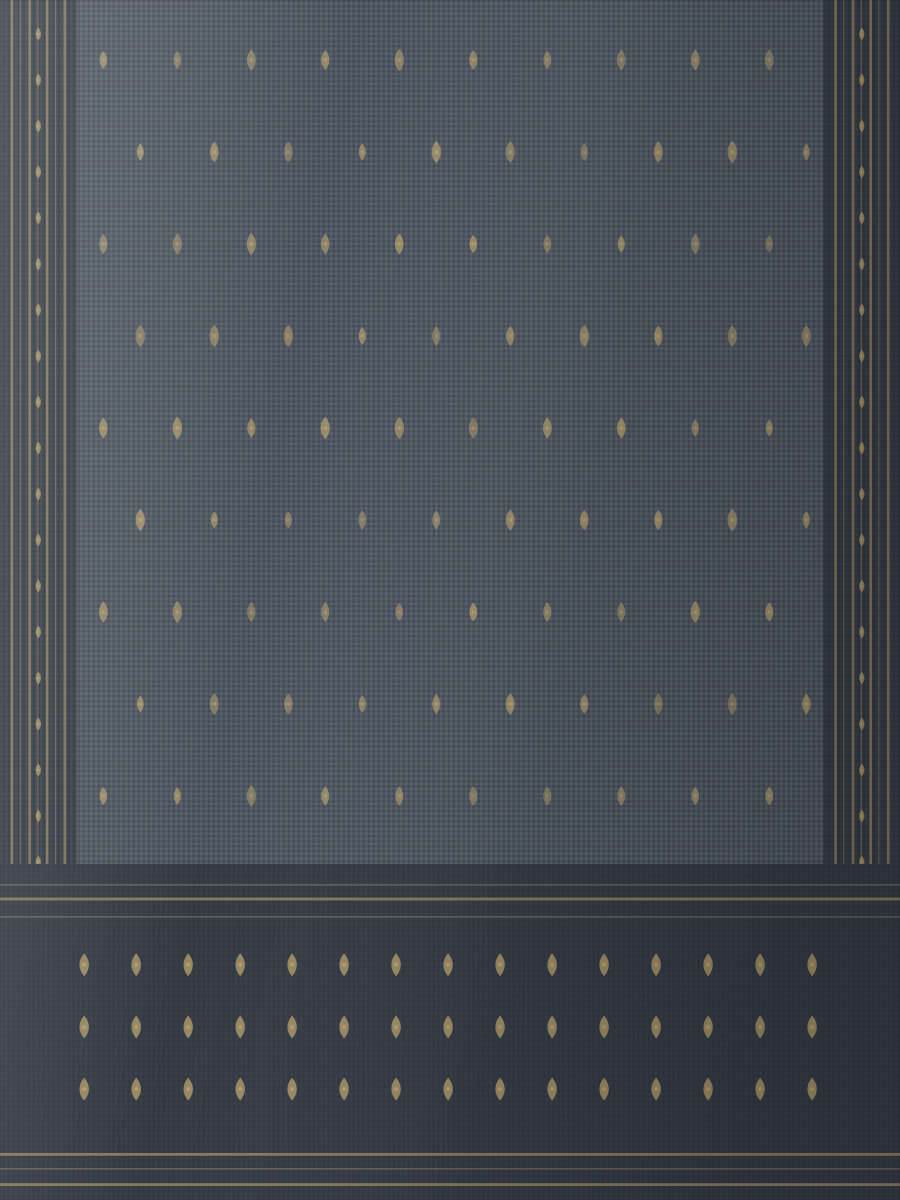
Slate with a silver stripe
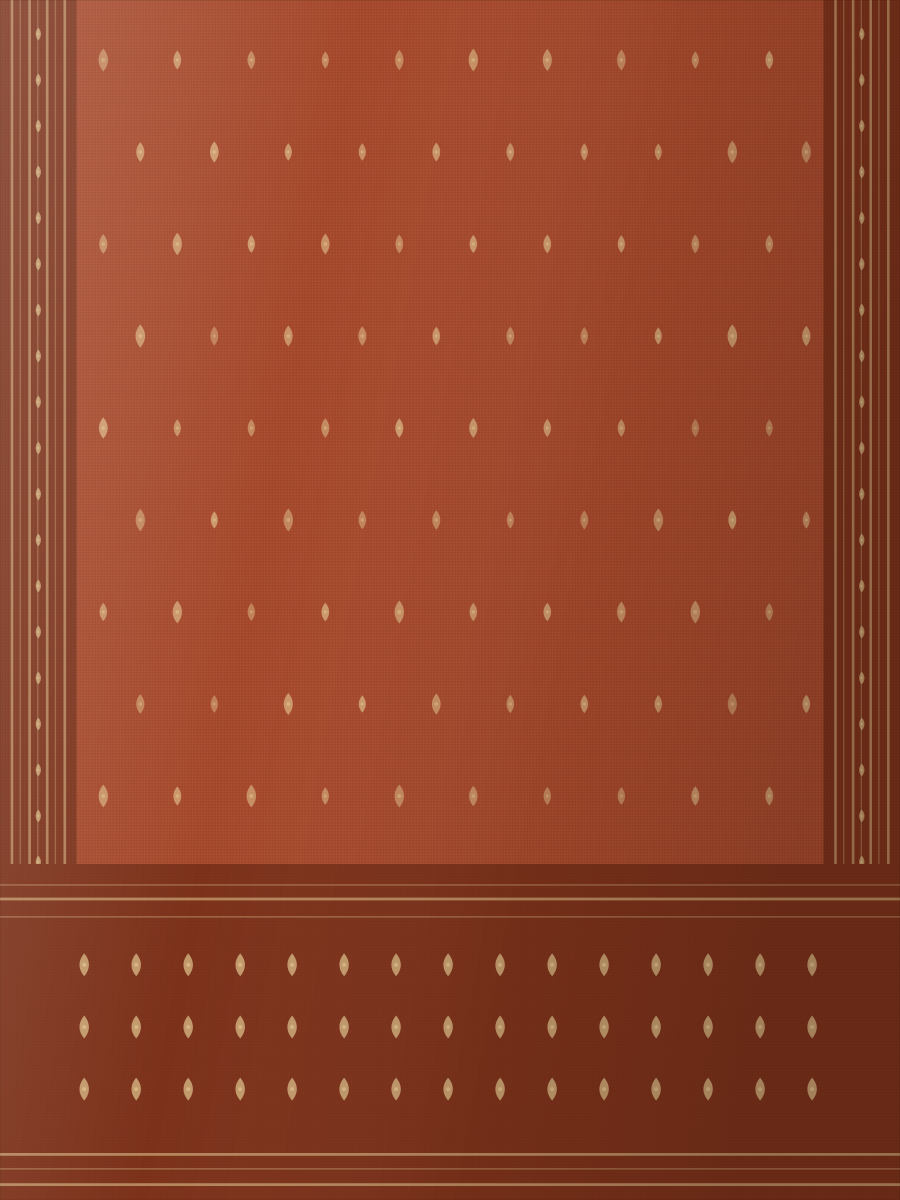
Rust and ivory, single ikat

Mustard with a zari stripe
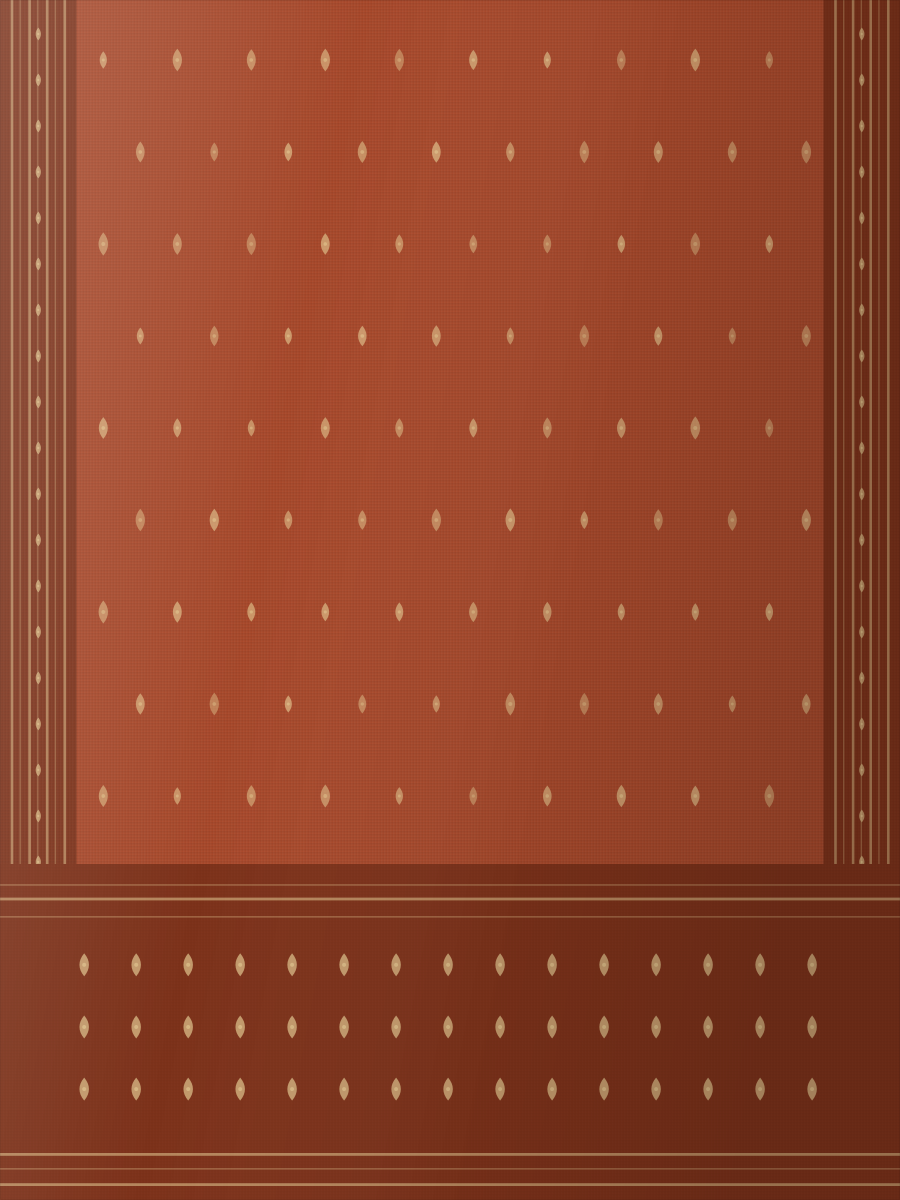
Rust with a hand-painted pallu
Weaves & craft
Weave, technique, print and
embroidery are not the same thing.
Most saree sites collapse them into one list because it is easier to merchandise. We keep them apart, because the difference is exactly what you are paying for.
Reading, for people who
intend to keep what they buy.

Nobody needs a certificate to answer this. The evidence is in the selvedge, the reverse, and the way the…

The korvai interlock, explained without romance: a structural answer to a question usually answered with…

What forty degrees and four hours actually demand of a garment — and why the answer is usually lighter than…
Questions worth
answering properly.
Every product page states what the piece is and, in the same breath, what it is not: loom type, fibre content, zari content, certification status. If we cannot verify a claim, we do not make it.
A saree cannot be judged folded. Unfold it, drape it, look at it in daylight. Return window and conditions to be confirmed before launch.
Storage, folding, dry-cleaning, zari tarnish, monsoon damage. Written guidance for every fabric we sell, free to anyone, whether or not they bought from us.