Weave tradition
Banarasi
Brocade weaving in which a supplementary zari weft is carried across the ground cloth to build the motif.
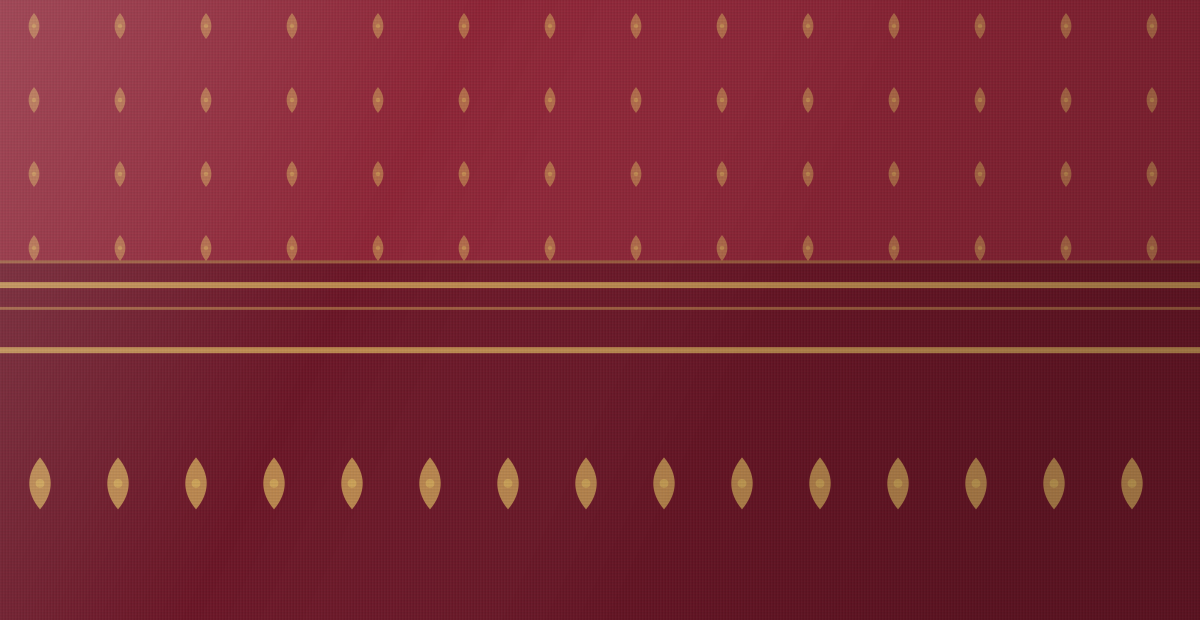
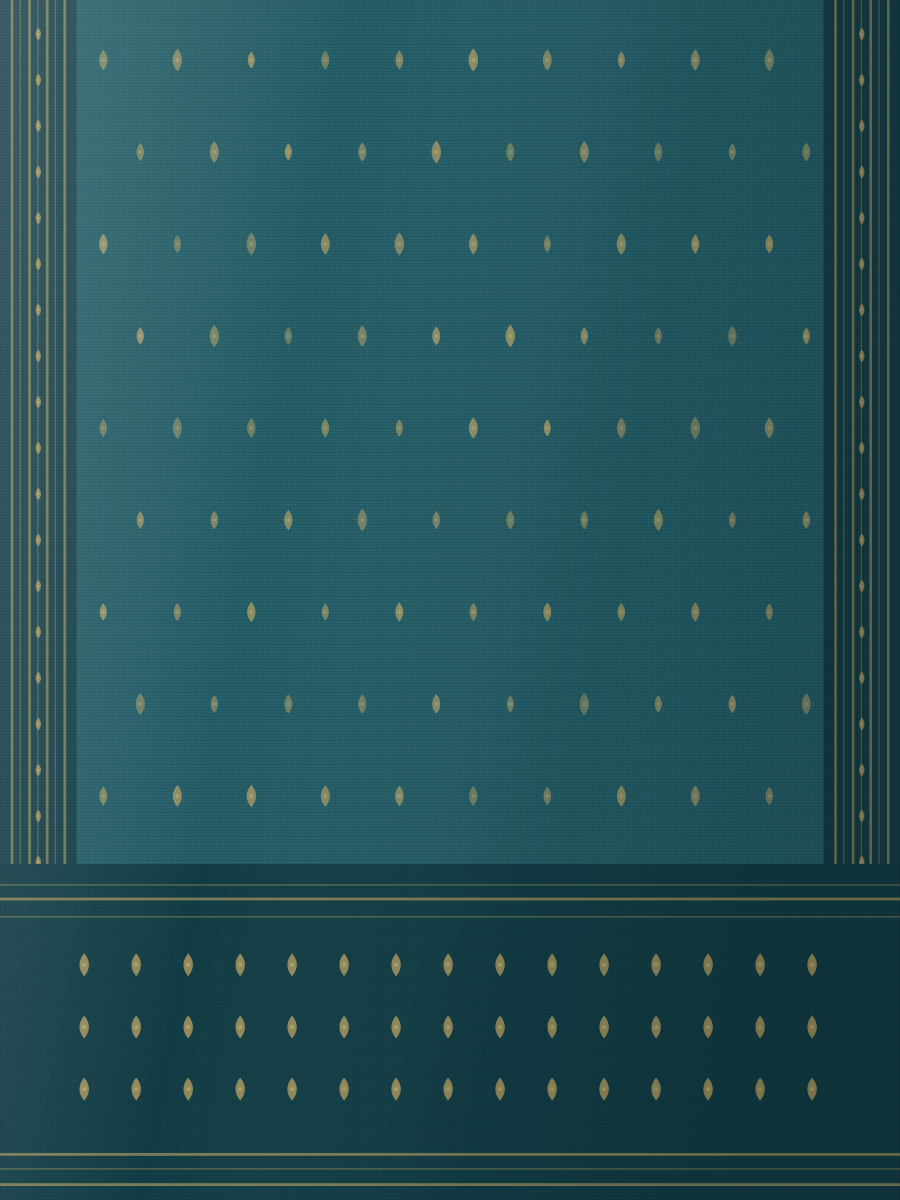
Sea green with a painted pallu
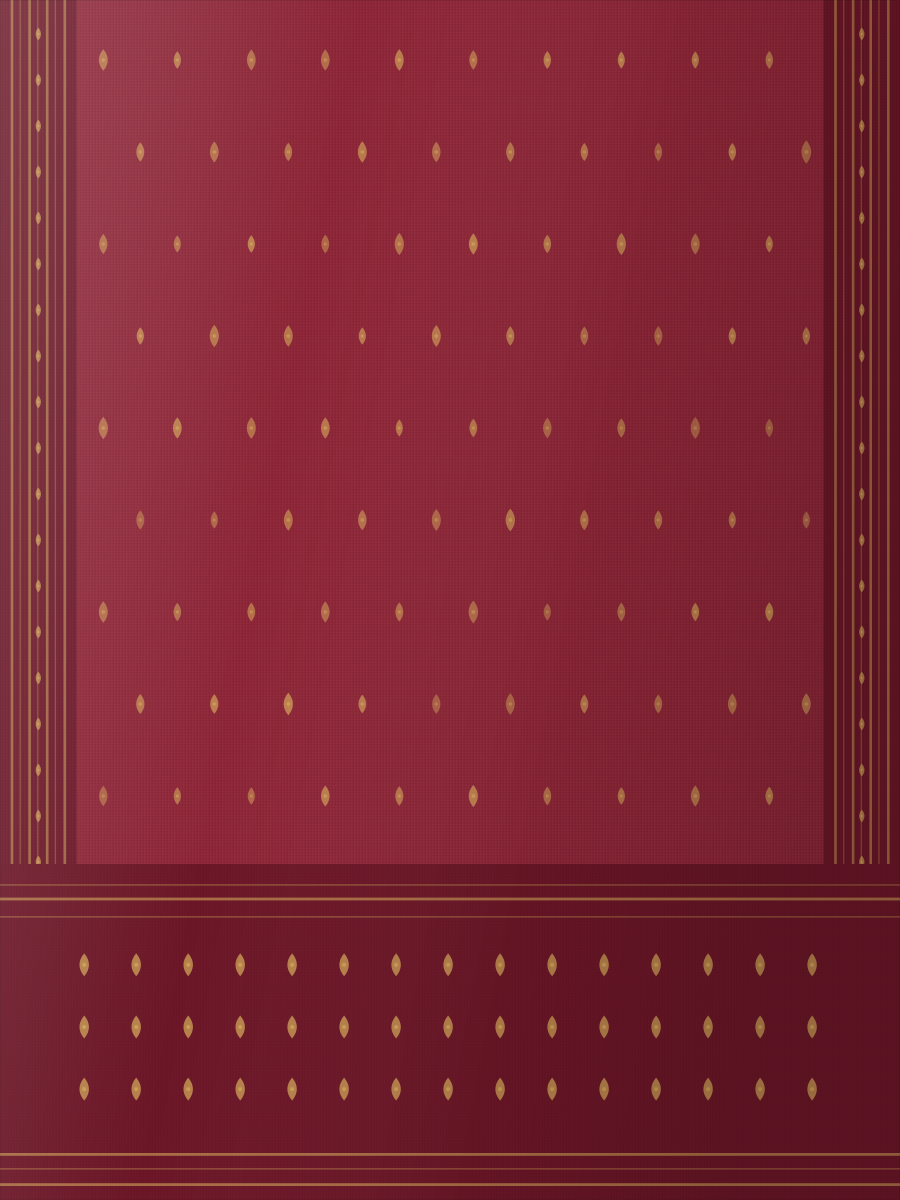
Madder red with zari buti
About this weave tradition
Banarasi describes a family of brocade weaving traditions centred on Varanasi and the surrounding districts of Uttar Pradesh. The defining feature is a supplementary weft — usually zari — worked into a silk, organza, tissue or cotton ground to form the motif.
Within the tradition, fekua carries that extra weft across the full width of the cloth and the unused length is cut away on the reverse once the motif is complete; kadhwa weaves each motif separately, leaving no float behind it — slower, costlier, and a cleaner reverse.
Because the term describes a technique and a place rather than a fibre, “Banarasi silk” and “Banarasi organza” are both correct and describe very different cloths. We therefore record weave, fibre and loom as three separate fields, and never let one stand in for another.